
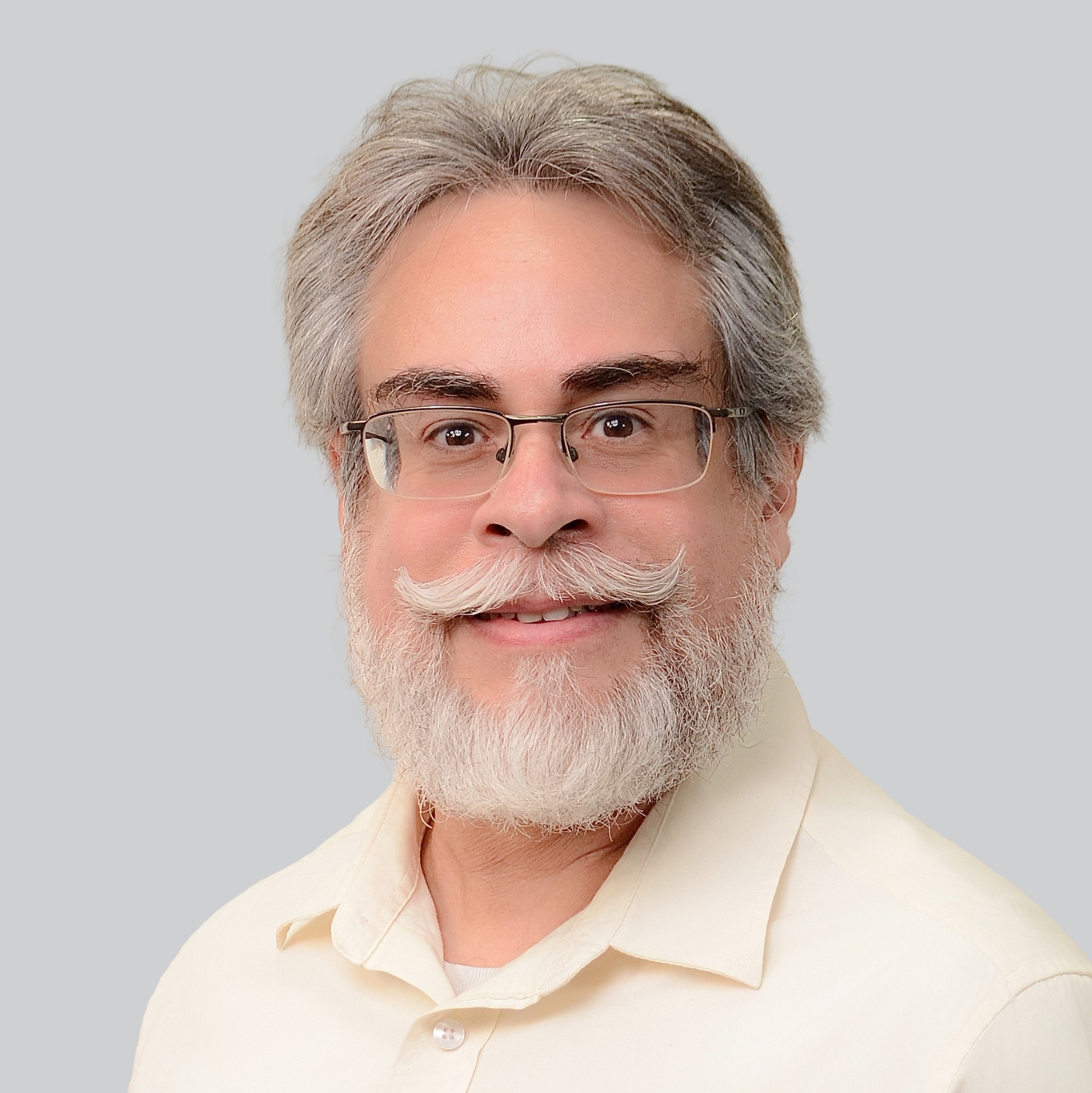
Dr. Santiago obtained his bachelor’s degree and his PhD both in biology from the University of Puerto Rico. After completing his Ph.D., he obtained postdoctoral training in molecular cancer biology, first at the Pathology Department at Harvard Medical School, and then at the Molecular Oncology Research Institute in the Tufts Medical Center. His postdoctoral training focused on cell cycle control and the molecular aspects of the tumor suppressive functions of the retinoblastoma protein (Rb). He is a trained molecular cancer biologist, with expertise in cell cycle control and signal transduction pathways and he has an extended network of collaborators in the USA mainland, mostly in the Moffitt Cancer Center (MCC), in Tampa Fl. He is a Professor at the Basic Science Department, Biochemistry and Cancer Biology Divisions, at Ponce Health Sciences University-Ponce Research Institute (PHSU-PRI), where he is actively involved in both teaching and research. Research in his laboratory is focused on the characterization of novel drivers of lung cancer, and on assessing their potential as lung cancer metastasis and aggressiveness biomarkers. Since 2009 Dr. Santiago has been actively involved in the U54 PHSU-MCC partnership in various capacities, from co-leader of research projects to various co-leadership positions in the U54 Research Education Core and the Early-Stage Investigators program. Dr. Santiago created and currently teaches and directs a PhD course entitled the “Cellular and Molecular Basis of Cancer”. He also coordinates and oversees the Cancer Research Seminar Series at PHSU, which hosts top researcher from the USA mainland, including MCC, as well as from PR. He also helps in the coordination of the U54 REC PHSU-MCC summer research internship program. Dr. Santiago is actively involved in teaching both MD and PhD students at PHSU-PRI, and in training students on cancer research in his laboratory. He is the director and a lecturer in Medical Biochemistry course in the Medicine Program, and he has mentored over 50 students in his laboratory over the past twenty years, including Middle and High School, undergraduate, PhD, MD students, and a postdoctoral fellow. He has been a member of the thesis committees of 20 PhD students of the PHSU-PRI graduate program and of one student in the Cancer Biology PhD Program in the H. Lee Moffitt Cancer Center in Tampa, Florida.