
The University of Puerto Rico Comprehensive Cancer Center brought together national and international experts in two plenary lectures and seven thematic sessions to examine how natural phenomena and environmental exposures can affect the cancer control continuum.
San Juan, Puerto Rico, November 13, 2026 – Hurricanes, extreme temperatures, and exposure to environmental contaminants pose public health challenges that can extend from the risk of developing cancer to the continuity of treatment and patients’ quality of life. Understanding these effects and using scientific evidence to guide public policy is one of the main goals of the first Environmental Risks and Cancer Research Conference 2026, organized by the University of Puerto Rico Comprehensive Cancer Center (CCCUPR, for its acronym in Spanish).
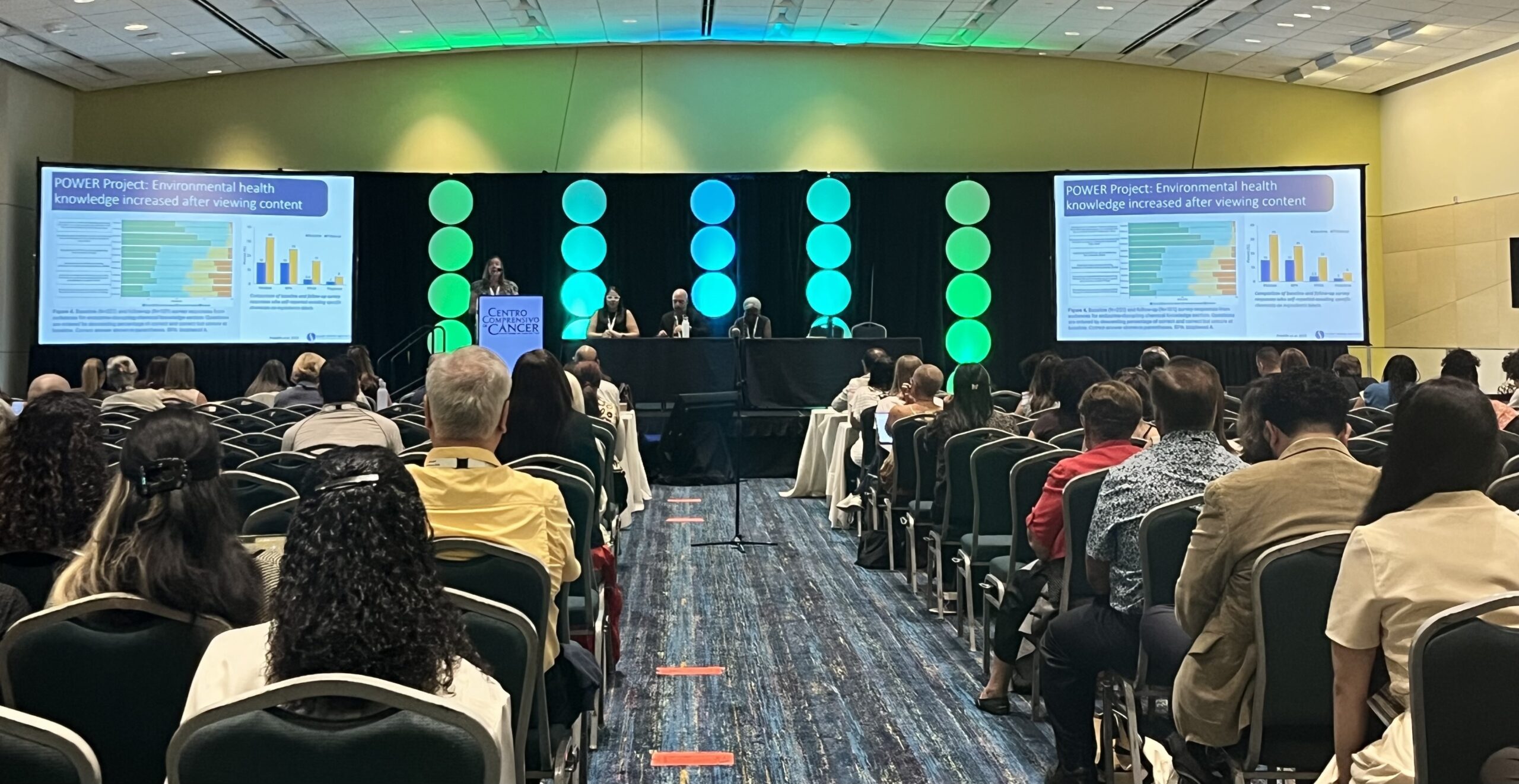
The conference, held on November 12 and 13 at the Puerto Rico Convention Center, brought together more than 300 participants, including researchers, health professionals, academics, and students, to examine studies on environmental risks and their potential implications for the prevention, diagnosis, treatment, and survivorship of people with cancer.
Through two plenary lectures and seven thematic sessions, specialists from Puerto Rico, the United States, and other international institutions are analyzing research on air pollution, emerging chemical substances, endocrine disruptors, pediatric cancer, natural phenomena, and environmental justice. The scientific exchange also explores opportunities to incorporate this knowledge into public health planning, the strengthening of oncology services, and the development of evidence-based public policy.
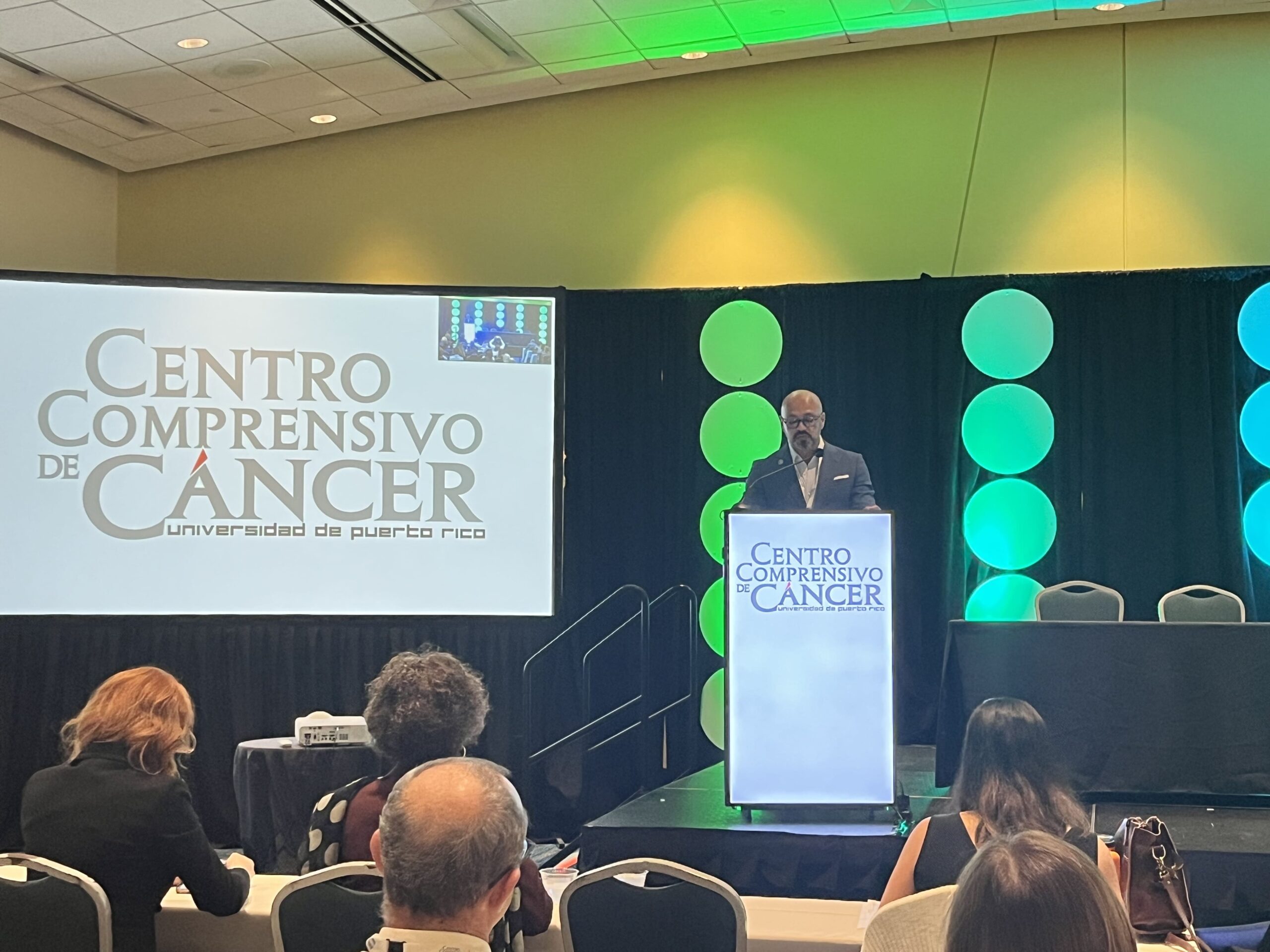
“At the Comprehensive Cancer Center, we have a responsibility to reduce the burden of cancer in Puerto Rico through research, education, and clinical care. This conference is a direct expression of our commitment. For us, it is an honor that our institution is organizing, for the first time, an international scientific event of this magnitude on an emerging topic of great relevance to science and public health. Bringing these researchers together in Puerto Rico opens opportunities to strengthen capacities, develop new collaborations, and continue generating knowledge that can contribute to cancer prevention and control,” said Dr. Luis Santos Reyes, Interim Executive Director of the CCCUPR.
Dr. Santos Reyes emphasized that bringing together researchers from diverse disciplines in Puerto Rico opens opportunities to strengthen scientific capacity, develop collaborations, and generate knowledge that contributes to cancer prevention and control.
Environmental Research Across the Cancer Continuum
Dr. Ana Patricia Ortiz, Interim Director of the Cancer Control and Population Sciences Division at the CCCUPR and chair of the organizing committee, highlighted the need to understand how environmental factors may be related to the different stages of the disease.
“We have gathered around a topic of growing importance for Puerto Rico, the Caribbean, and the global scientific community: understanding how environmental risks influence the cancer control continuum, from disease etiology and cancer risk to prevention, early detection, diagnosis, treatment, survivorship, quality of life, and, ultimately, population health,” said Ortiz.
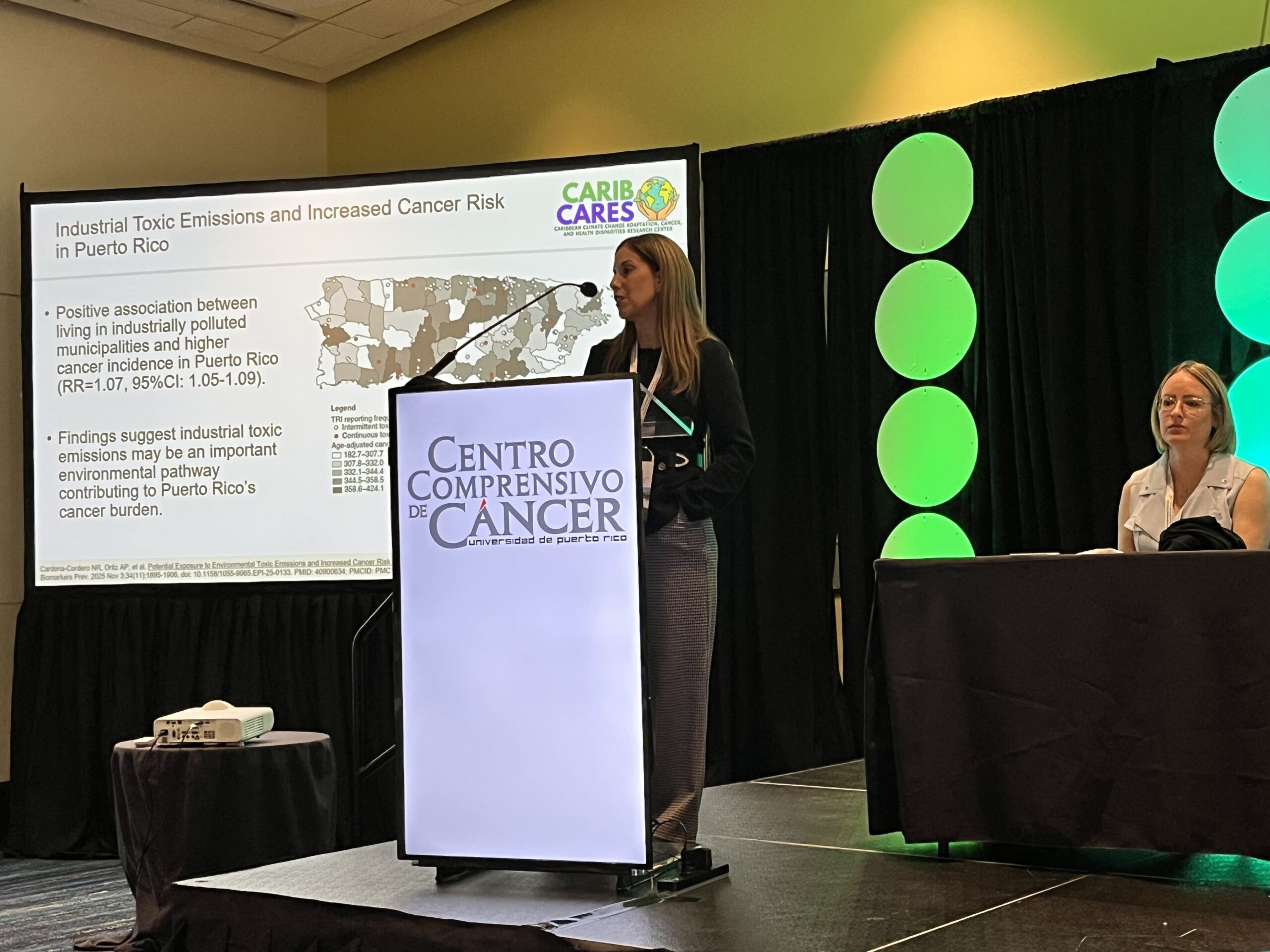
Among the work presented on the first day was research by Dr. Nancy Cardona-Cordero, Assistant Investigator at the CCCUPR, on endocrine disruptors and their potential implications for the health of Puerto Rican women. These chemical substances can interfere with the functioning of the hormonal system, so studying them helps expand knowledge about environmental exposures of concern for the health of this population.
From a pediatric perspective, Dr. Juan Ortega García of the University of Murcia, Spain, presented a model that integrates environmental health assessment from the earliest stages of life through long-term survivorship. Likewise, Dr. Stefania Papatheodorou of the Rutgers School of Public Health examined the epidemiological evidence on environmental exposures during pregnancy and their possible relationship to the risk of pediatric cancer.
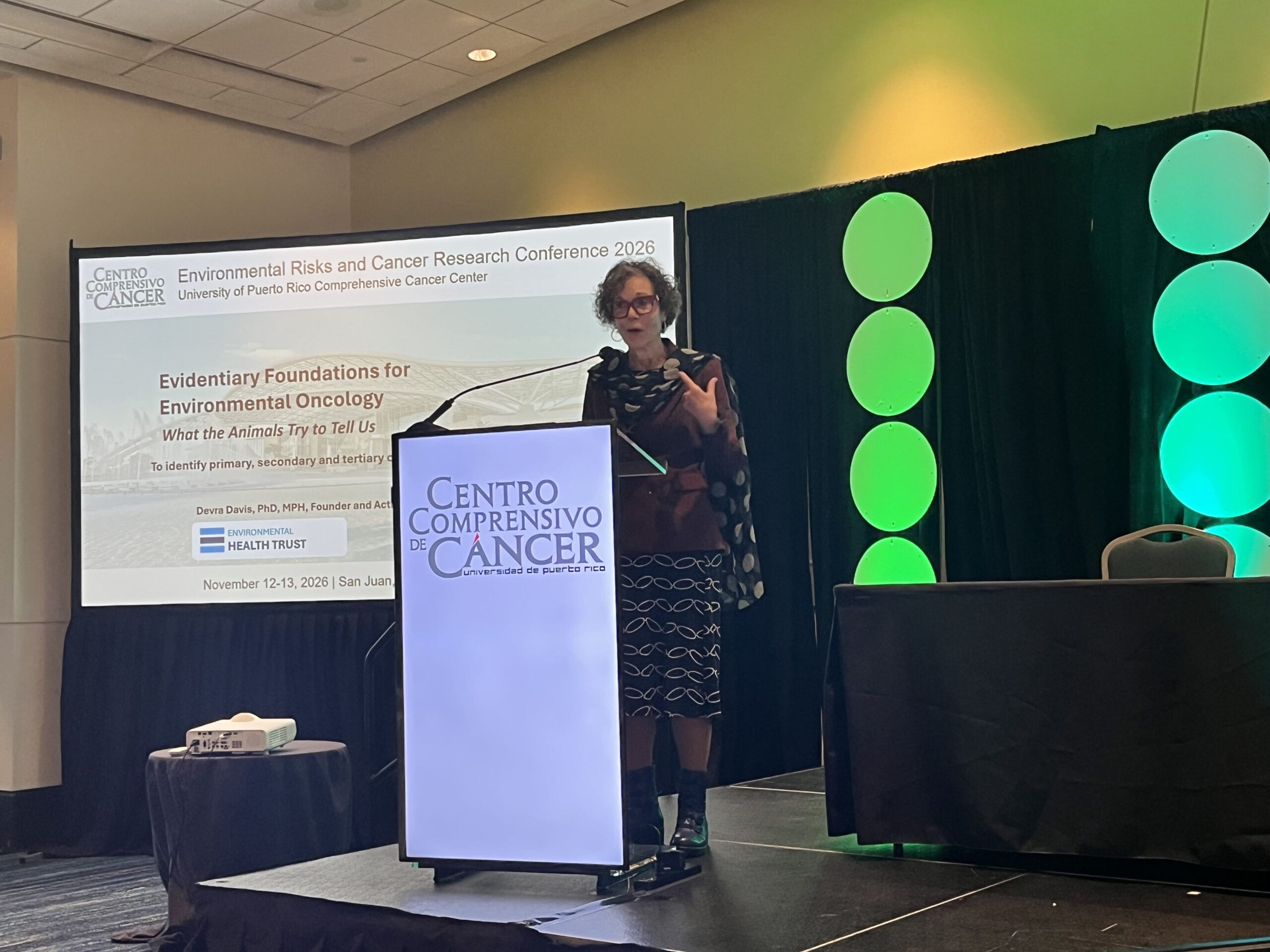
Dr. Devra Lee Davis, founder of the Environmental Health Trust, addressed in the first plenary lecture the need to strengthen environmental oncology as a scientific field concerned with the study of environmental factors that may play a role in the development of cancer.
Natural Phenomena and the Continuity of Oncology Services
For Puerto Rico and the Caribbean, the relationship between natural phenomena and cancer control is particularly relevant given the effects that hurricanes, extreme heat, and disruptions to essential services can have on access to health care.
This topic was presented on the second day in the session Impact of Global Natural Hazards in Cancer Control Continuum, in which researchers from the University of Miami and the CCCUPR discussed the environmental risks associated with natural disasters and their implications for patients and health systems.
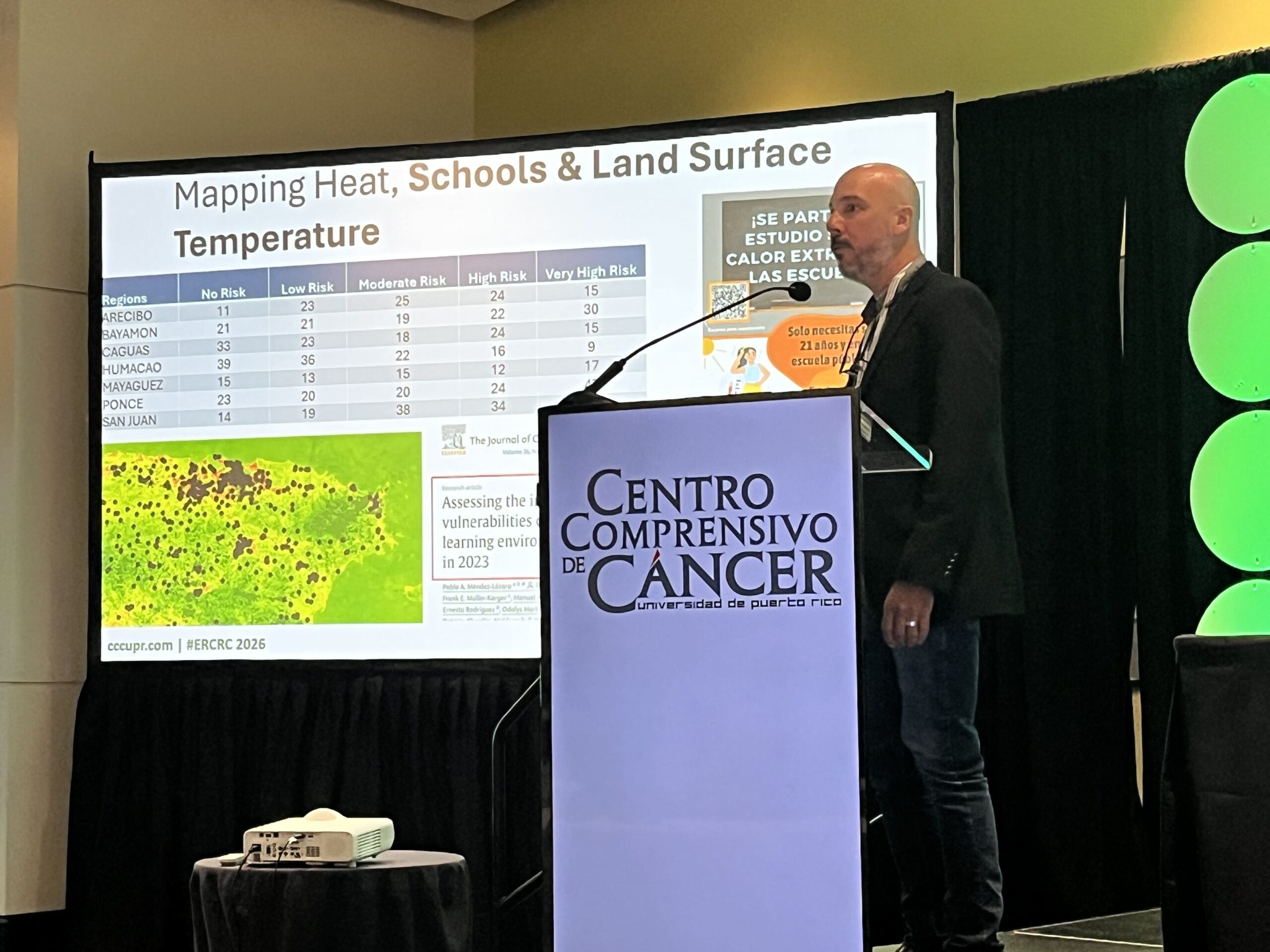
Dr. Naresh Kumar addressed the risk of exposure to persistent contaminants after natural disasters in communities near sites of environmental contamination. For his part, Dr. James M. Shultz examined the challenges faced by older adults with cancer who are exposed to prolonged heat and heat waves.
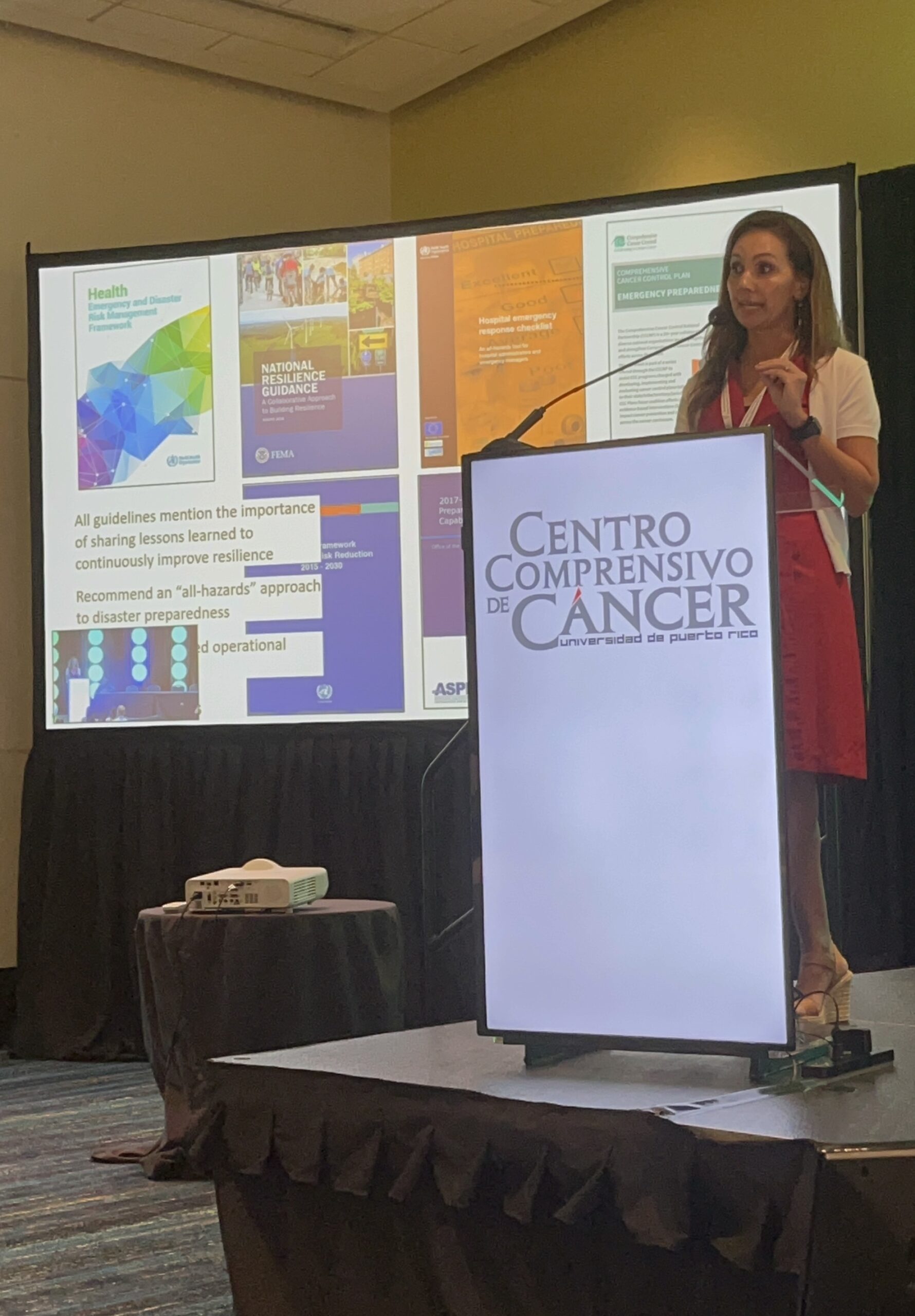
Dr. Ana Patricia Ortiz presented the consequences of extreme weather events on the cancer control continuum, with an emphasis on lessons learned in the Caribbean.
This research will inform discussion of needs related to emergency preparedness, disruptions to essential services, access to specialist consultations, diagnostic testing, and the continuity of cancer treatment.
Scientific Evidence to Guide Public Policy
One of the conference’s central sessions was devoted to examining how the results of environmental research can contribute to cancer prevention and control strategies, as well as to the development and implementation of public policy.
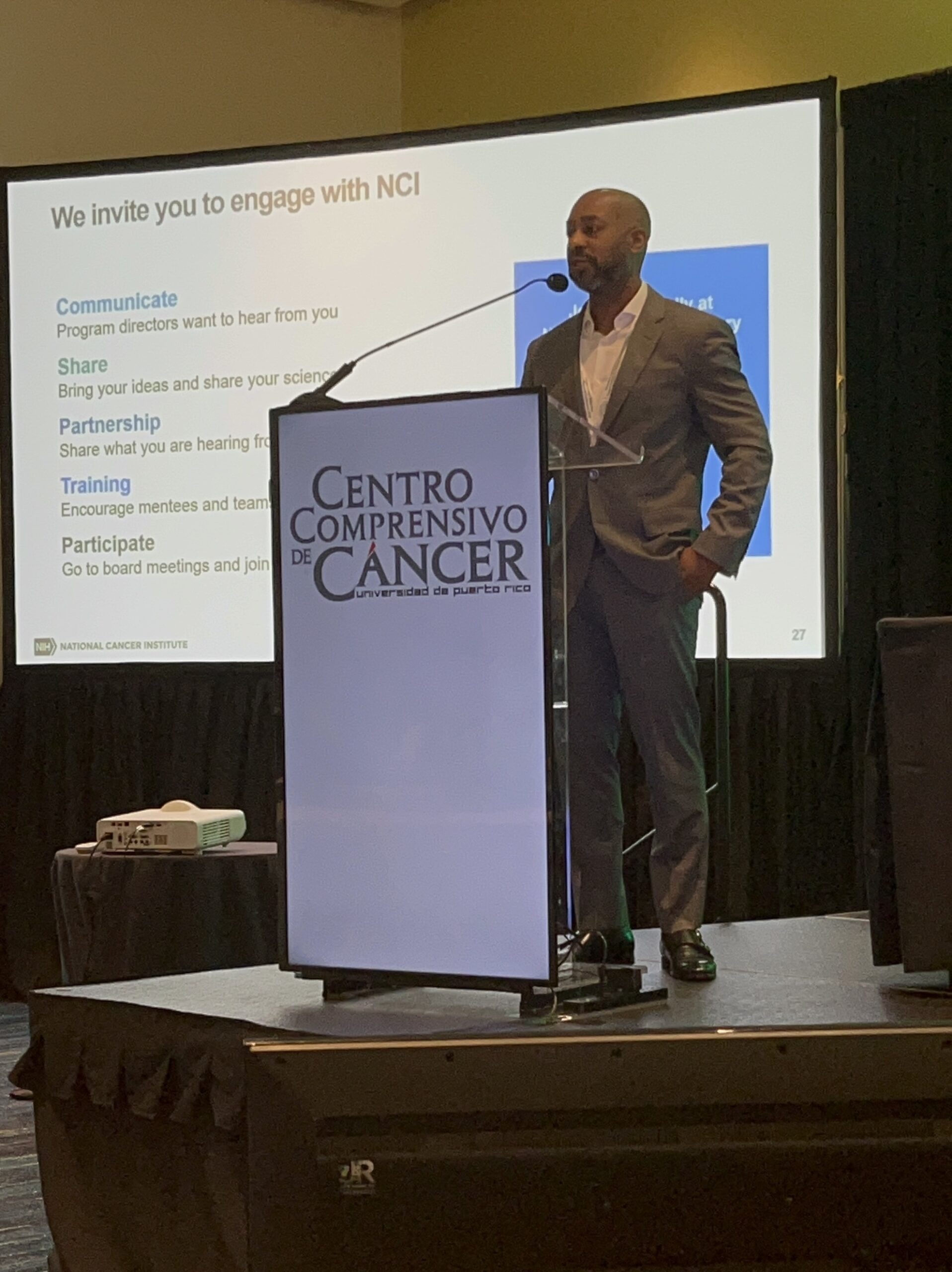
The session Integrating Environmental Health Priorities across Cancer Control Efforts and Public Policy in the US and Globally, held on Friday, November 13, was moderated by Dr. Ana Patricia Ortiz and featured Alexandra Goho of the Silent Spring Institute; Joanne Kim of the International Agency for Research on Cancer; and Gary Ellison of the U.S. National Cancer Institute (NCI).
The presentations examined international environmental research priorities, communication and community engagement strategies, and opportunities to integrate environmental factors into cancer prevention and control efforts.
The discussion is especially relevant for Puerto Rico given the need for scientific evidence that makes it possible to identify environmental exposures, recognize the vulnerabilities of different populations, and evaluate protection and response strategies from a public health perspective.
Ortiz emphasized that the exchange among specialists seeks to help ensure that scientific knowledge can be considered in future planning processes, interinstitutional collaboration, and the development of policies aimed at protecting health and addressing the needs of people with cancer.
Puerto Rican Research and New Scientific Tools
The conference featured research directly related to Puerto Rico, including studies on industrial toxic emissions and cancer mortality, environmental risks to women’s health, and geographic barriers to accessing early detection services for cervical cancer.
Likewise, Dr. Santos Reyes stated that “the scientific presentations offer opportunities to examine the particular needs of Puerto Rican communities and expand knowledge about possible inequities in environmental exposure and access to health services.”
International researchers also presented advances in the study of the exposome (the set of environmental factors that affect health and the skin), which encompasses the environmental exposures a person experiences throughout their lifetime.
Dr. Lauren Petrick of the Icahn School of Medicine at Mount Sinai addressed the use of advanced analytical technologies to investigate emerging chemical substances, including PFAS compounds. Dr. Rena Jones of the U.S. National Cancer Institute examined the scientific challenges related to identifying contaminants and assessing environmental exposures.
For her part, Dr. Filipa Godoy-Vitorino of the University of Puerto Rico Medical Sciences Campus presented research on the interaction between environmental fungi and the human microbiome.
The second plenary lecture, delivered by Dr. Leticia Nogueira, Scientific Director of Health Services Research at the American Cancer Society, examined natural phenomena and the environmental determinants that can influence cancer control.
Scientific Collaboration and Training of New Generations
The conference included the presentation of 89 scientific posters in areas such as epidemiology, environmental exposures, population health, extreme weather events, public policy, environmental justice, and clinical implications.
As part of the educational component, ten high school students from Puerto Rico participated in activities that allowed them to learn about scientific research, interact with specialists, and explore academic and professional opportunities related to oncology and public health.
The event fostered collaboration among scientific institutions and professionals from different disciplines, with the aim of strengthening environmental research and promoting the exchange of knowledge applicable to the needs of Puerto Rico and the Caribbean.
Both the Executive Director of the CCCUPR, Dr. Luis Santos Reyes, and Dr. Ana Patricia Ortiz stated that this initiative is aligned with the purposes of Act No. 230 of August 26, 2004, as amended, which created the CCCUPR and established its responsibilities for cancer research, prevention, and care. Through scientific discussion forums such as this conference, the institution contributes to the development of knowledge that can support cancer control strategies and guide decisions aimed at improving the health and quality of life of the population.
###
About University of Puerto Rico Comprehensive Cancer Center (CCCUPR)
The University of Puerto Rico Comprehensive Cancer Centre (CCCUPR) is a public corporation established by Act 230 of August 26, 2004, as amended, to address cancer prevention, diagnosis, treatment, and research. Our mission is to provide the best possible patient care using a multidisciplinary model that integrates advances in research, prevention, and treatment, with the aim of eradicating cancer in Puerto Rico. For more information, visit cccupr.org, follow us on: Facebook, Instagram and LinkedIn: Centro Comprensivo de Cáncer de la UPR or call 787-772-8300.